
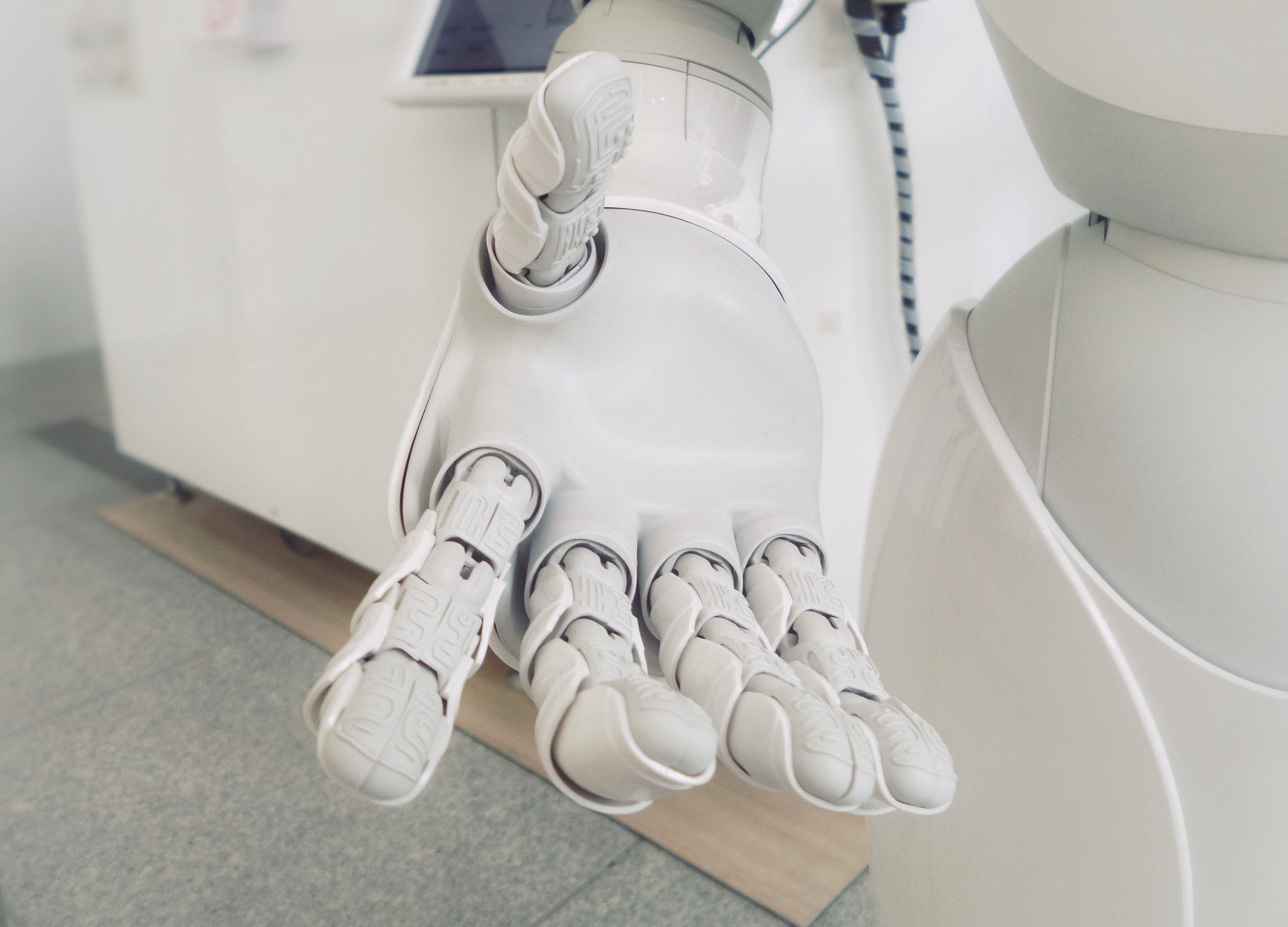
The Impact of AI on Healthcare: A Deep Dive
4:43 AM, February 10, 2023
Artificial Intelligence (AI) has been making waves in a number of industries, and healthcare is no exception. In recent years, AI has been increasingly integrated into the healthcare system, with the goal of improving patient outcomes and streamlining processes. But what exactly does AI bring to the table in terms of healthcare, and what are its limitations? In this blog post, we'll take a closer look at the impact of AI on healthcare, including its applications, benefits, and challenges.
One of the key areas in which AI is being used in healthcare is diagnostics. With the ability to process and analyze vast amounts of data, AI algorithms are able to assist doctors in making diagnoses based on patterns and correlations in patient data. For example, AI algorithms can analyze medical images and help detect conditions such as tumors and eye diseases. Additionally, AI can assist with identifying patients who are at risk of developing certain conditions, allowing for early intervention and improved outcomes.
Another area in which AI is making an impact in healthcare is in personalized medicine. AI algorithms can analyze patient data to predict which treatments are likely to be the most effective for a given patient, tailoring treatments to the individual for better outcomes. This is especially important for conditions such as cancer, where treatments can have varying degrees of effectiveness depending on the patient's unique genetic makeup.
While the potential benefits of AI in healthcare are significant, there are also some challenges and limitations to consider. One of the biggest concerns is data privacy and security. With increasing amounts of sensitive patient data being processed by AI algorithms, it's important to ensure that this data is protected and secure. Additionally, there are still questions around the accuracy and reliability of AI algorithms in certain applications, and further research is needed to validate their use in clinical settings.
In conclusion, AI has the potential to revolutionize the healthcare industry and improve patient outcomes. However, it's important to proceed with caution and carefully consider the limitations and challenges of this technology. As AI continues to evolve and mature, we can expect to see even more exciting applications and advancements in the healthcare space.