
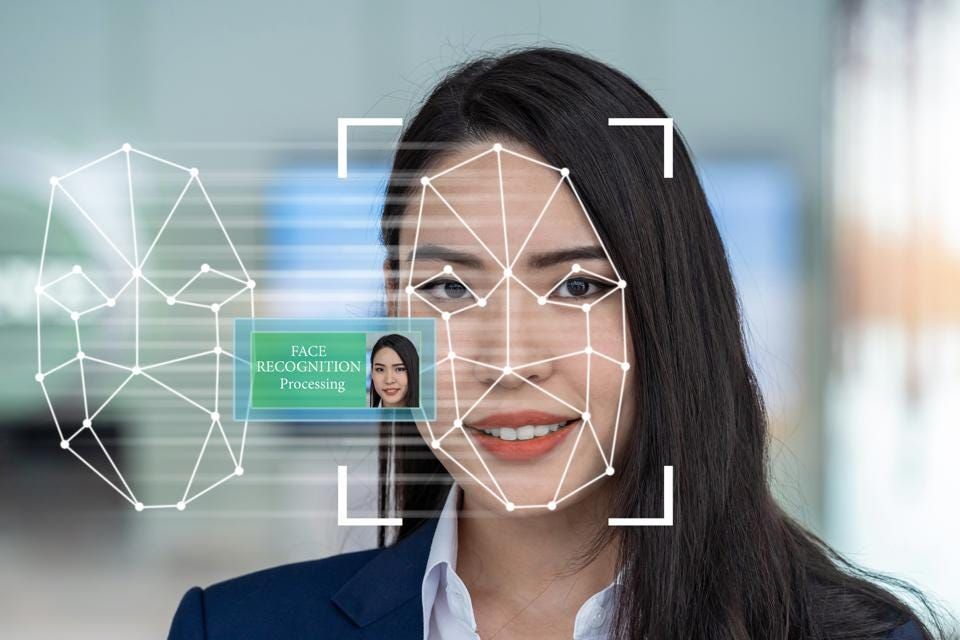
The Ethics of Facial Recognition Technology
6:16 AM, February 22, 2022
Facial recognition technology has been making headlines in recent years, and with good reason. This powerful tool has the potential to revolutionize the way we live, work, and communicate, but it also raises important ethical questions that need to be addressed. In this blog post, we'll take a closer look at the ethics of facial recognition technology and explore some of the key issues that need to be considered.
One of the most important ethical issues related to facial recognition technology is privacy. Facial recognition systems collect and store large amounts of personal data, and this information can be used for a variety of purposes, from tracking our movements to profiling us based on our facial features. This raises important questions about who has access to this information and how it's used.
Another ethical issue related to facial recognition technology is accuracy. Facial recognition systems are designed to identify individuals based on their facial features, but this is not an exact science. There have been numerous cases where facial recognition systems have made mistakes, leading to false arrests, wrongful convictions, and other serious consequences. This raises important questions about the reliability of these systems and the potential harm that they can cause.
In addition to privacy and accuracy, there are also broader ethical questions related to facial recognition technology. This includes questions about the use of this technology in law enforcement and other security-related applications, as well as the role of facial recognition technology in shaping our attitudes and opinions. These are complex and sensitive issues that need to be carefully considered in order to ensure that facial recognition technology is used in a responsible and ethical manner.
In conclusion, facial recognition technology is a powerful tool that has the potential to revolutionize the way we live, work, and communicate. However, it also raises important ethical questions that need to be addressed. To ensure that this technology is used in a responsible and ethical manner, it's important to consider these issues and to engage in a broader public discourse about the future of facial recognition technology